

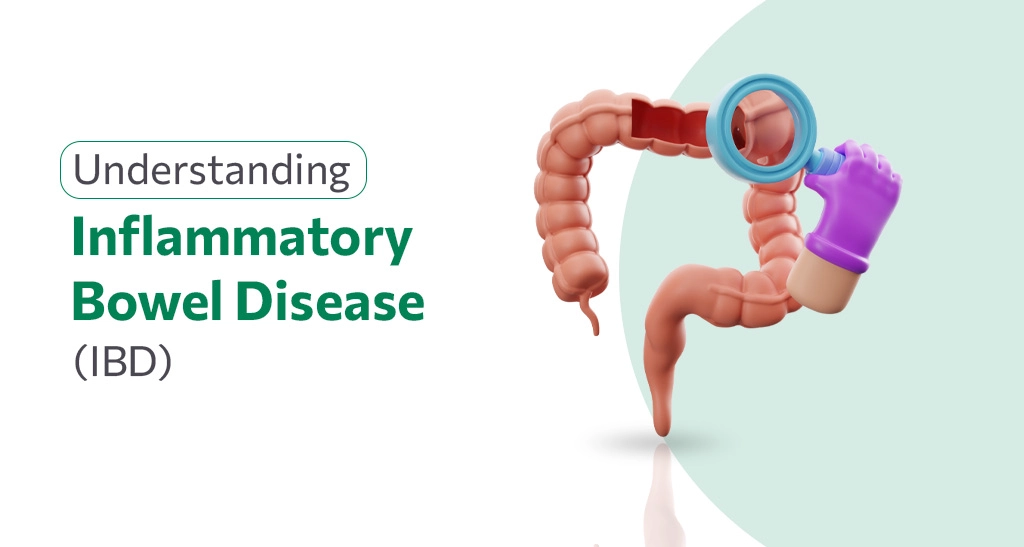
Have you heard about inflammatory bowel disease (IBD)? It’s a condition that affects the digestive system and causes complications. In this blog, we discuss the causes, symptoms, and management of IBD and discover helpful tips for living well with this condition. So, if you’re curious to learn more about IBD and how to live well despite its presence, you’re in the right place. IBD refers to a group of conditions that trigger inflammation, swelling, and alterations in bowel function.
This condition primarily consists of two main disorders: Crohn’s disease and ulcerative colitis. Both conditions involve ongoing inflammation in the gastrointestinal (GI) tract, which can lead to damage.
While IBD itself isn’t usually life-threatening, it can lead to serious complications if left untreated. Although inflammatory bowel disease has been commonly associated with autoimmune mechanisms, recent research suggests that chronic inflammation might not be the result of the immune system attacking the body directly. Instead, it appears to stem from the immune system’s response to harmless viruses, bacteria, or food in the gut, sparking inflammation that harms the bowel.
The exact causes of IBD remain unknown, but it’s believed to be linked to a weakened immune system. Factors such as bacterial or viral infections and exposure to certain antigens may trigger the immune system to mistakenly attack healthy intestinal tissues. Additionally, a family history of IBD can increase the risk of developing the condition.
During periods of severe inflammation, IBD is considered active and may cause flare-up symptoms. Conversely, when inflammation is minimal, the condition is deemed in remission, and symptoms may not be present. Regular monitoring and management are crucial to keep IBD under control and prevent complications.
Common Symptoms of IBD
If you’re experiencing any symptoms or suspect you may have IBD, don’t hesitate to consult with your healthcare provider for proper evaluation and treatment. The common symptoms of IBD are
- Frequent diarrhea
- Abdominal pain
- Bloody stools
- Fever
- Weight loss
- Tiredness
- Anemia (low red blood cell count)
- Loss of appetite
Diagnosis and Treatment
Doctors use tests like endoscopy or colonoscopy along with imaging studies such as contrast radiography, MRI, and CT scans to diagnose IBD. They may also analyze stool samples and conduct blood tests. Treatment involves medications and, in some cases, surgery to remove damaged parts of the digestive tract.
Managing Ulcer
For those with ulcers, it’s important to eat a healthy diet, avoid certain foods like processed meats and spices, stay active, quit smoking and limit alcohol intake, stay hydrated, and ensure adequate intake of vitamins and minerals.
When to Seek Medical Attention
If you notice any changes in your bowel habits or experience symptoms of inflammatory bowel disease (IBD), it’s essential to seek medical advice promptly.
- Diarrhea that lasts more than 7 days
- Abdominal pain or bloating that will not go away or keeps coming back
- Blood or mucus in the stools
- Unexplained weight loss
Conclusion
Taking care of your digestive health is vital for overall well-being. By staying proactive about your health, attending regular check-ups, and making healthy lifestyle choices, you can minimize the risk of complications and enjoy a better quality of life. Don’t forget to schedule your appointments at Aarthi Scans and Labs for comprehensive digestive health care!