

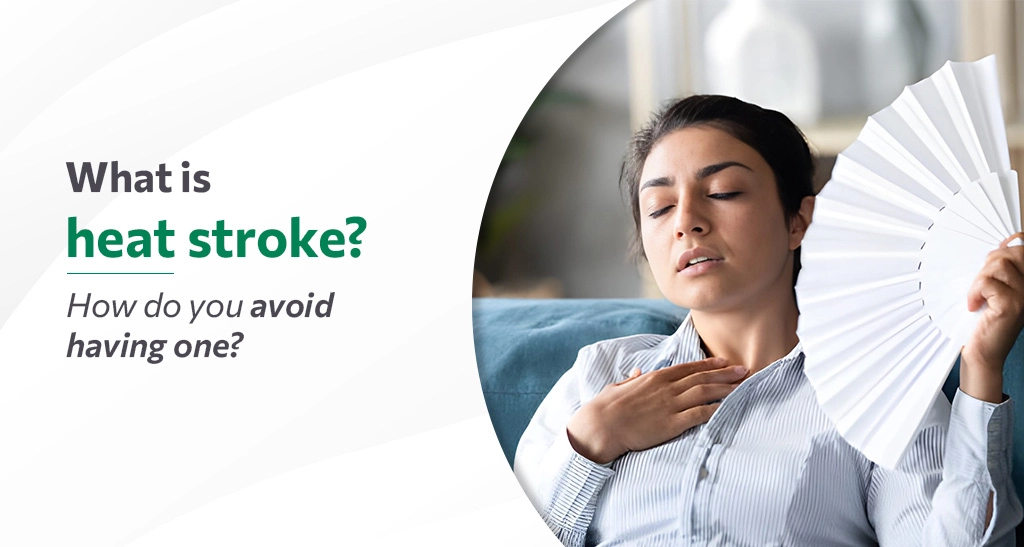
Are you someone who spends extended time in the sun? Do you work outdoors or travel frequently during the summer? As summer arrives and temperatures soar to unprecedented levels, it’s crucial to safeguard yourself against heat stroke.
What is heat stroke?
Heat stroke stands as the most severe heat-related illness, arising from prolonged exposure to high temperatures, with increased risk of dehydration. This condition occurs when the body’s temperature regulation system fails, leading to a rapid rise in body temperature and the inability to cool down. With heat stroke, body temperatures can soar to 106°F or higher within a matter of minutes, posing significant health risks, including permanent disability or death if not promptly treated.
Who does it affect?
While heat stroke commonly affects individuals over the age of 50, it can also impact young, healthy athletes. It often manifests as a progression from milder heat-related ailments such as heat cramps, heat syncope, and heat exhaustion, but can strike even in the absence of prior warning signs.
What are the symptoms of heat stroke?
Symptoms of heat stroke encompass loss of consciousness, hot and dry skin, seizures, excessively high body temperature, and behavioral changes such as confusion or disorientation. Immediate medical attention is imperative to prevent fatalities or lasting health complications associated with heat stroke.
Treating Heat Stroke and Reducing Risk Factors
When it comes to treating heat stroke, swift action is paramount. Rapid cooling strategies, such as utilizing fans, applying ice packs, or immersing the individual in cool water, are crucial for lowering body temperature and preventing further complications. In cases of exertional heat stroke, where young individuals are commonly affected, ice baths can be particularly beneficial in facilitating body temperature reduction.
Understanding the risk factors associated with heat stroke is essential for effective prevention. Certain individuals are more susceptible to heat stroke, including older adults living in poorly ventilated environments, individuals with chronic illnesses, and those with a history of excessive alcohol consumption. Environmental factors such as high humidity levels and prolonged sun exposure can further increase the risk of heat stroke.
Prevention Strategies for Heat Stroke:
- Do not stay outdoors during peak heat hours, typically between 10 a.m. and 4 p.m.
- Wear lightweight, loose-fitting clothing and a wide-brimmed hat to shield against the sun’s rays.
- Apply sunscreen with a high sun protection factor (SPF) of 30 or more to exposed skin.
- Stay hydrated by drinking plenty of fluids throughout the day, including water, fruit juice, or sports drinks.
- Consume electrolyte-rich beverages to replenish salt levels lost through sweating during hot weather.
- Adjust exercise routines to cooler times of the day, such as early morning or late evening.
- Reschedule or cancel outdoor activities if the heat index is exceptionally high or extreme.
- Take frequent breaks in shaded or air-conditioned areas to cool down and rest during outdoor activities.
- Monitor individuals at higher risk of heat stroke, including older adults, those with chronic illnesses, and young children, for signs of heat-related distress.
- Educate yourself and others about the symptoms of heat stroke and the importance of early intervention for prompt treatment.
Knowing more about heat stroke and taking preventive measures are key to staying safe in the summer season. Hydration, sun protection, and planning your outdoor activities wisely are essential steps in preventing heat stroke and ensuring a safe and enjoyable summer season.